
 2026-09-15
- |
- By Dr. Parag Telang
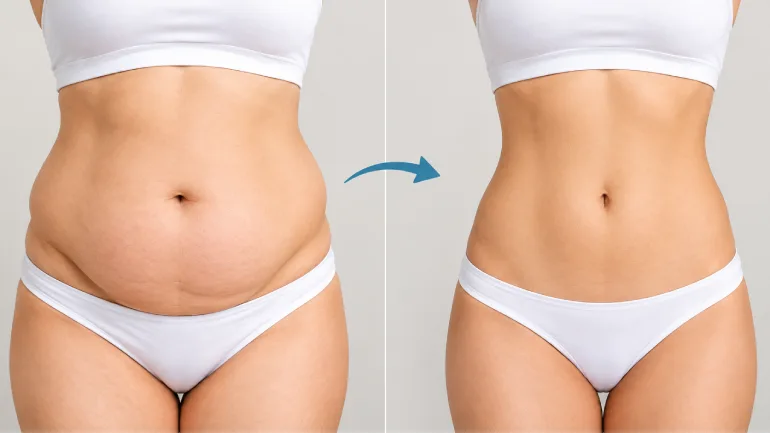
A tummy tuck creates a toned abdomen by removing excess skin and tissue while strengthening weakened abdominal muscles. People seek a tummy tuck after pregnancy, major weight loss, or changes that have left the abdomen with excess skin.
When considering the procedure, many people wonder whether belly fat returns after a tummy tuck. Understanding what a tummy tuck actually changes, what happens to the remaining fat cells and how future weight fluctuations affect the abdomen can clarify the long-term expectations. Dr. Parag Telang's tummy-tuck practice at Designer Bodyz focuses on abdominal contouring through abdominoplasty, with the procedure tailored to the patient's individual concerns.
What Does a Tummy Tuck Actually Remove?
An abdominoplasty, or commonly known as a tummy tuck, is a body-contouring procedure that removes excess abdominal skin and some excess fat. The abdominal muscles are also tightened while toning the abdominal contour, as removing only the fat does not create a flatter appearance.
The procedure is personalised around the patient’s abdominal requirements; for example, a person who has lost a significant amount of weight may have loose skin, while another patient may have both excess skin and abdominal fat. Hence, the procedure is not performed to simply remove as much fat as possible.
Can Belly Fat Come Back After a Tummy Tuck?
Yes, fat can gather in the abdomen after a tummy tuck if a patient gains weight. However, the fat removed during surgery does not return in the same way. An abdominoplasty removes the fat and tissues of the treated area, but it does not remove every fat cell from the abdomen.
If the patient gains weight, the remaining fat cells may enlarge and untreated areas may accumulate fat. A tummy tuck does not protect against future weight gain and significant weight gain after a tummy tuck may diminish the result, even if excessive fat was removed during the surgery.
Does the Fat Removed During a Tummy Tuck Grow Back?
The tissue that was surgically removed does not grow back. While tissue containing fat is removed during surgery, some fat cells may remain in the surrounding and deeper tissues and if a person gains weight, these remaining cells can increase in size.
The fat that is removed during a tummy tuck is gone, but the surgery does not make the abdomen permanently resistant to future fat accumulation.
What Happens If a Patient Gains Weight After a Tummy Tuck?
The effects of gaining weight after a tummy tuck depend on how much weight is gained and where the body stores fat. The change in the abdomen may be limited if there is only a small weight fluctuation, but major weight gain can make the abdomen appear fuller and affect the toned contour.
Several changes can occur:
- Remaining abdominal fat cells can enlarge
- Fat can accumulate around the waist and other untreated areas
- The abdominal skin can stretch
- Waist definition may become less pronounced
- The overall contour may become less flat
The visible result can change as the surrounding tissues respond to changes in body weight.
What If Someone Loses Weight After a Tummy Tuck?
Weight loss after a tummy tuck can also change the result. If an individual undergoes a tummy tuck and loses a large amount of weight, they may develop additional loose skin in the abdomen.
Ordinary fluctuations in body weight do not damage the result of a tummy tuck, but significant or repeated changes may alter the tissues. With professional guidance, a tummy tuck is planned when an individual is close to a stable weight.
Why Is Stable Weight Important Before a Tummy Tuck?
A tummy tuck is ideal and recommended only when individuals are close to their desired weight. If a person is actively losing weight, then undergoing surgery may later change the abdominal contour and create more loose skin.
Similarly, significant weight gain after surgery can stretch the remaining tissues and reduce the definition achieved through the procedure.
Hence, an expert surgeon like Dr. Parag Telang assesses the patient’s weight stability while evaluating the amount of abdominal fat or loose skin to prevent significant changes in the abdomen after the surgery.
Can Pregnancy Change a Tummy Tuck Result?
Pregnancy can stretch the abdominal muscles and skin and change abdominal shape. Therefore, a woman who becomes pregnant after a tummy tuck may notice alterations in the results of a tummy tuck.
Pregnancy does not eliminate the surgical result, but the extent of change varies depending on factors such as weight gain during pregnancy and skin elasticity. People who are planning future pregnancies should consult an expert surgeon before deciding to undergo a tummy tuck.
How Can Patients Maintain Their Tummy-Tuck Results?
A tummy tuck is an easy-to-maintain surgery that does not require a restrictive lifestyle. It is important to sustain weight stability without preventing every normal fluctuation.
Helpful habits include:
- Maintaining a relatively stable body weight
- Following a balanced diet
- Staying physically active once medically cleared
- Avoiding repeated cycles of major weight loss and regain
- Following the surgeon's postoperative recommendations
- Addressing substantial weight changes early rather than waiting for major changes in abdominal contour
What If the Abdomen Becomes Fuller Years After a Tummy Tuck?
A change in the abdomen after years of surgery does not mean that the surgery has failed, but various factors contribute to new abdominal fullness, including:
- Weight gain
- Changes in fat distribution
- Pregnancy
- Skin laxity
- Age-related tissue changes
- Changes in abdominal wall structure
- Fat accumulation in deeper abdominal tissues
An examination is recommended when a patient notices post-tummy-tuck change, as not every change is a sign of fat coming back.
Conclusion
Belly fat may appear after a tummy tuck, but it does not necessarily mean that the fat removed during surgery has grown back. A tummy tuck removes the tissue permanently, but remaining fat cells can enlarge when a patient gains weight, which stretches the abdominal tissues.
A tummy tuck provides a long-lasting improvement but does not prevent future changes in body weight. For patients considering abdominoplasty, the most realistic expectation is that surgery can create a more defined abdominal contour, while maintaining that result depends on keeping weight stable over time.
At Designer Bodyz, Dr. Parag Telang, regarded as cosmetic surgeon in Mumbai, performs abdominoplasty (tummy tuck surgery) and follows a relevant approach. He evaluates the abdominal contour in a detailed consultation to determine whether excess skin, fat, abdominal wall laxity, or a combination of factors is responsible for the concern and what is an appropriate approach.
Frequently Asked Questions (FAQs)
Can a tummy tuck be repeated if the abdominal contour changes significantly later?
Revision surgery may be considered in selected cases, but the appropriate approach depends on what caused the change.
Why can the stomach look fuller even when a patient’s weight has not changed much?
Changes in fat distribution, skin elasticity, ageing and abdominal tissue characteristics can affect contour.
Can abdominal muscles become separated again after a tummy tuck?
The abdominal wall may change over time, particularly after pregnancy or significant weight changes.
Is abdominal fullness after a tummy tuck always caused by fat?
No, fullness can have several causes, including newly accumulated fat, skin changes, abdominal wall changes, or deeper abdominal fat.
How long can a tummy-tuck result realistically last?
The improvement can be long-lasting, particularly when an individual maintains a stable weight and avoids major changes that stretch the abdominal tissues.
What is assessed if a patient’s abdomen changes years after surgery?
A surgeon assesses the patient’s current weight and fat distribution, skin laxity, abdominal wall condition and any potential causes such as pregnancy or major weight changes. This helps determine if the change can be managed or further contouring should be considered.