
 2026-02-16
- |
- By Dr. Parag Telang
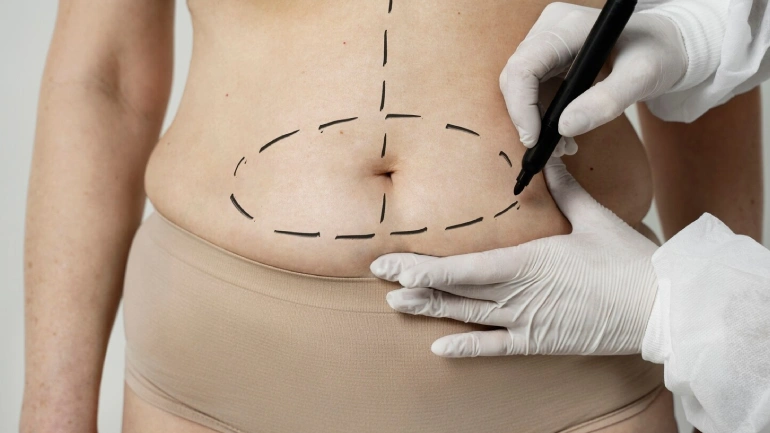
A tummy tuck (Abdominoplasty) is often perceived as a sustainable fix for a protruding, sagging belly after a considerable weight loss or pregnancy. Though it can provide lasting, dramatic improvements in abdominal profile, it’s common for patients to worry about potential changes in the results. Desired effects of a tummy tuck just don’t last forever, but lifestyle factors, body changes, and healing processes can affect the longevity of results.
Understanding what can affect the effectiveness of a tummy tuck is essential, so care must be taken to maintain the surgical results. This blog shares insights from an experienced tummy tuck surgeon in Mumbai. It helps you understand the main reasons behind changes over time in tummy tuck results, what to do to prevent them, and what to expect during the tummy tuck’s healing period.
How a Tummy Tuck Works: Skin Tightening and Muscle Repair
A tummy tuck surgery involves the following:
- Making of a hidden incision(s) in the lower abdomen (according to the chosen tummy tuck type)
- Lifting of the tissues from the abdominal muscles
- Stubborn fat reduction using the liposuction technique
- Trimming of the extra, hanging belly skin
- Repair of weak, separated abdominal muscles with absorbable sutures and subsequent tightening/strengthening of the core (in some patients)
- Re-draping of the remaining belly skin over the new abdomen contour with stitches
- Repositioning and reattachment of the navel (in some patients)
- Closure of incisions with clips, sutures, or surgical adhesives and use of temporary drains.
Are Tummy Tuck Results Permanent? What to Expect Long Term?
Tummy tuck results last for a long time, maybe for the rest of the patient’s life, if the patient maintains a healthy weight and lifestyle. Even if minor post-tummy-tuck changes appear, the appearance is still far better than before surgery.
Here’s what to expect in the long term:
- A significant weight change (loss or gain) due to pregnancy or after surgery- This can diminish the tummy tuck effects by stretching the skin beyond its elasticity limit.
- Aging- With age, the skin loses its structural proteins- collagen and elastin. Also, there is a gradual decline in muscle tone. This could lessen the visibility and feel of the results of a tummy tuck.
- Fading of surgical scars- The scars considerably lighten and soften, turning barely noticeable, within a year of the surgery.
Common Reasons a Tummy Tuck May Lose Effectiveness
A tummy tuck effect can diminish over time due to the following reasons:
A substantial weight gain or loss- This stretches the belly skin again and also reverses the repair of the abdominal muscles, leading to saggy, lax skin of the belly and stubborn belly fat.
- A pregnancy- Childbearing after a tummy tuck can stretch the skin and muscles of the abdomen, thus reversing the repair of diastasis recti (separated abdominal muscles).
- Poor compliance with the aftercare plan- If one does not wear a compression garment for a specified time, return to vigorous activities soon, keep straining one’s abdomen, smoke or drink alcohol during recovery, or do anything that shouldn’t be done or miss what must be done, the results of the tummy tuck can be compromised. The abdominal muscle laxity returns along with abdominal protrusion.
- Natural aging- With natural loss of skin’s elastin over time, gradual changes in the abdomen's appearance can show up even afterwards.
- Healing and excessive scarring- The final results of a tummy tuck can be influenced by the patient’s natural healing response and genetics. Excessive scar tissue after a tummy tuck may result in an uneven, tight abdomen.
- Pre-existing health issues- Uncontrolled diabetes can cause infection and delay healing after a tummy tuck. Those who are obese can experience fat necrosis and wound separation. All in all, if a tummy tuck is performed on an ill patient, there is a high chance the results will not be as expected.
Weight Fluctuations and Their Impact on Surgical Results
A substantial weight gain (e.g., over 10-15 lbs) post-tummy tuck could lead to new fat deposits or the expansion of existing fat cells beneath the stretched belly skin. Also, probably the weakening or tearing of repaired abdominal muscles, undoing the surgical abdominal tightening. This creates a sagging, bulging, distorted abdomen profile.
A substantial weight loss, though less likely after a tummy tuck, can make belly skin loose and saggy if skin elasticity is lost.
Pregnancy After a Tummy Tuck: What Happens to the Abdomen?
During pregnancy, as the foetus develops inside the mother’s womb, the abdomen gets stretched to accommodate the baby. This leads to rapid stretching of abdominal skin and the repaired abdominal muscles, potentially returning a pooch after a tummy tuck. Furthermore, the pressure put on the repaired abdominal muscles can lead to recurrence of the diastasis recti condition- the reversal of tummy-tuck-induced abdominal tightening.
New stretch marks would develop, and the old ones may become more prominent. The tummy tuck incision scar would also change its appearance. Overall, after the birth of the child, the patient will have to go for a revision tummy tuck.
How to Prevent Changes After a Tummy Tuck?
Here are the expert’s recommendations on how to prevent tummy tuck’s loss of effectiveness:
- Avoid excess sugar, salt, unhealthy fats, and processed foods, as these can increase the risk of abdominal swelling. Also, eat mindfully
- Maintain a healthy diet and exercise routine, such that a healthy weight is maintained
- Stay well hydrated to avoid fluid retention and ensure proper healing
- Do not drink alcohol or smoke, as these habits hinder healing progress
- Manage stress healthily with yoga or meditation
- Wear a compression garment, as per the surgeon's instructions
- Do not be in a hurry to resume intense physical activities, as these could strain the abdomen
- Protect incision scars from water, direct sunlight, and infection. Follow all the surgeon-recommended instructions on wound care
- Go for regular check-ups to monitor the tummy tuck’s healing.
Importance of Post-Surgery Care and Lifestyle Habits
A proper compliance with the post-tummy tuck recovery plan is crucial to:
- Ensure optimal recovery
- Avoid surgery complications and the need for revision
- Get the patient back to their normal routine smoothly.
Healing Timeline: What Happens During Tummy Tuck Recovery?
- First Week: Surgical drains may be placed. The patient can expect bruising, swelling, tightness, and discomfort. During this period, proper wound care and rest are essential. Gentle walking is a must to prevent blood clots.
- Second-Third Weeks: The patient can expect a slightly normal feel, but tightening would persist. A desk job can be resumed, but anything causing core strain should be avoided.
- Four to six weeks: Bruising and swelling subsides significantly, and discomfort is minimal. Light activities can be started, but not strenuous workouts.
- Second-Third Months: Swelling resolves to a great extent, and the abdomen appears more defined. Scars are starting to fade, and with the surgeon’s clearance, core exercises can begin.
- Three to Six Months or Beyond: The swelling completely resolves, scars fade, and full return to activities is cleared by the surgeon.
When Is Tummy Tuck Revision Considered?
A tummy tuck revision is recommended when, after 9-12 months of a previous tummy tuck, the following issues persist or recur:
- Uneven results
- Reversal of diastasis recti
- Lax or sagging abdominal skin or a bulging belly
- Issue with the placement of the belly button, new abdominal contour, or scar quality
- Seroma (fluid build-up) or pseudobursa (a separation of scar tissue), causing bulges in the belly
- For a revision, the patient must hold realistic expectations, have no substance addiction, and maintain a stable, healthy weight.
Protecting and Preserving Your Tummy Tuck Results.
After a tummy tuck removes the surplus belly skin and fat and tightens the abdominal muscles, it’s in the hands of the patient not to let a tummy tuck surgeon’s efforts go to waste. The effects of a tummy tuck may diminish over time. Still, with proper aftercare and a long-term commitment to maintaining a stable weight and a healthy routine, the results can be sustained.
For further help and details on tummy tuck in Mumbai or to get a tummy tuck done, be it for the first time or for revision, consider consulting Dr. Parag Telang at Designer Bodyz Clinic.
With years of expertise in performing tummy tuck surgery, he has performed many successful surgeries and transformed the lives of people experiencing cosmetic or medical problems due to a stretched tummy area.