
 2026-07-20
- |
- By Dr. Parag Telang
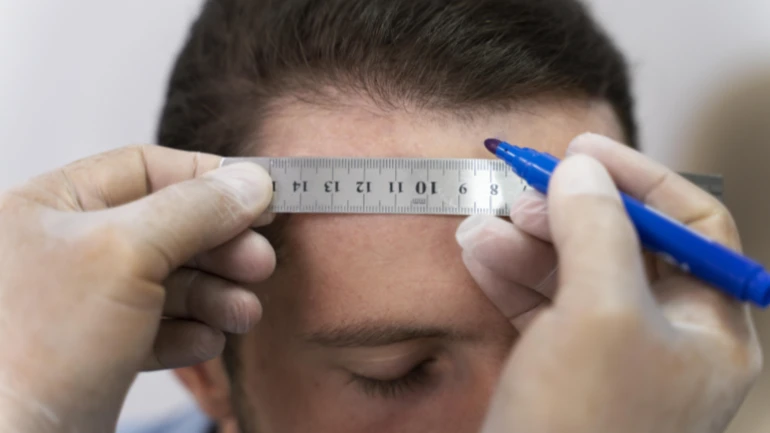
A hair transplant is more than just a cosmetic procedure - it's a journey that unfolds over several months. While the surgery itself is completed in a single session, the real transformation happens gradually as the transplanted hair follicles heal, shed, regrow, and mature. Understanding each stage of the hair transplant timeline helps patients set realistic expectations and stay committed to the recovery process.
Every patient heals differently depending on factors such as age, scalp condition, overall health, the number of grafts transplanted, and adherence to post-operative instructions. Although the waiting period can seem long, each phase is a natural part of the hair restoration process.
Dr. Parag Telang, Director and Chief Cosmetic Plastic Surgeon at Designer Bodyz, Centre for Advanced Cosmetic Surgery, believes that patient education is just as important as the procedure itself. As one of the best plastic and cosmetic surgeons in Mumbai, he ensures every patient understands the recovery timeline, expected milestones, and the care required to achieve natural, long-lasting results.
What Happens Immediately After a Hair Transplant?
The first few hours and days after surgery are focused on protecting the newly transplanted grafts while allowing the scalp to begin healing.
Patients can typically expect:
- Mild swelling on the forehead or scalp
- Tiny scabs forming around each transplanted follicle
- Slight redness in both the donor and recipient areas
- Mild discomfort or tightness
- Temporary numbness in certain areas
- Sleeping with the head elevated for the first few nights
These symptoms are completely normal and usually improve within the first week.
Care Tips
- Follow your surgeon's washing instructions carefully.
- Sleep with your head elevated.
- Avoid touching or scratching the transplanted area.
- Take prescribed medications on time.
- Stay hydrated and eat a nutritious diet.
Phase 1: Recovery & Healing (Weeks 1 to 4)
The first month is dedicated to healing. During this period, the scalp recovers from the procedure while the transplanted follicles securely establish themselves within the skin.
What Is Normal?
- Scabs gradually fall off within 7–14 days.
- Redness begins to fade.
- Mild itching during healing.
- Swelling resolves.
- Donor area heals significantly.
- Around weeks 2–4, many transplanted hairs begin to shed—a completely normal process known as shock loss.
This shedding often worries patients, but it is expected. The follicles remain healthy beneath the scalp and are preparing for a new growth cycle.
Care Tips
- Wash your scalp gently as instructed.
- Avoid smoking and alcohol during healing.
- Refrain from strenuous exercise.
- Do not pick at scabs.
- Protect your scalp from direct sunlight.
Phase 2: Dormancy & Early Growth (Months 2 to 5)
This phase requires the most patience. After shedding, the transplanted follicles enter a temporary resting phase before new hair begins to emerge.
What Is Normal?
- Hair appears thinner than expected.
- Very little visible growth during the second month.
- Fine new hairs begin appearing around months 3–4.
- Hair growth may seem uneven.
- Mild numbness may still persist in some patients.
Patients often wonder if the procedure has worked during this period. In reality, the follicles are alive and preparing to produce stronger, permanent hair.
Care Tips
- Maintain a balanced diet rich in protein.
- Continue any medications prescribed for hair maintenance.
- Attend scheduled follow-up appointments.
- Be patient and avoid comparing progress with others.
- Follow your surgeon's advice regarding hair products.
Phase 3: Maturation & Density (Months 6 to 9)
This is when patients begin noticing significant improvements.
The newly transplanted hair grows longer, thicker, and stronger, making the transplant much more noticeable.
What Is Normal?
- Consistent hair growth across transplanted areas.
- Increased hair density.
- Hair becomes darker and thicker.
- Hairline appears more natural.
- Easier styling and improved overall appearance.
Although excellent progress is visible, the hair continues maturing during this phase.
Care Tips
- Resume your normal hair care routine.
- Continue protecting your scalp from excessive sun exposure.
- Eat a healthy diet to support ongoing growth.
- Follow any long-term hair maintenance recommendations.
Phase 4: Final Results (Months 10 to 18)
The final phase reveals the complete outcome of the procedure.
Hair continues to mature in texture, density, and thickness until approximately 12–18 months after surgery.
What Is Normal?
- Maximum hair density develops.
- Hair texture becomes more natural.
- Complete hairline definition is visible.
- Hair behaves like natural hair and can be cut, washed, and styled normally.
- Final cosmetic outcome becomes evident.
Patients usually enjoy permanent, natural-looking hair restoration during this stage.
Care Tips
- Maintain a healthy lifestyle.
- Continue recommended scalp care.
- Manage underlying causes of hair loss if advised.
- Schedule periodic follow-ups when necessary.
Hair Growth Timeline at a Glance
| Timeline | Growth Stage | What You'll Notice | Recovery Focus |
| Immediately After Surgery | Initial Healing | Redness, swelling, scabs, mild discomfort | Protect grafts, rest, follow medication schedule |
| Weeks 1–4 | Healing & Shock Loss | Scabs disappear, transplanted hairs begin shedding | Gentle washing, avoid strenuous activities, allow follicles to heal |
| Months 2–5 | Dormancy & Early Growth | Little visible growth initially, followed by fine new hairs | Stay patient, maintain nutrition, continue follow-ups |
| Months 6–9 | Hair Thickening | Hair Thickening | Resume normal activities while maintaining scalp health |
| Months 10–18 | Final Results | Full density, mature texture, natural appearance | Maintain healthy habits and enjoy long-lasting results |
Post Hair Transplant Dos
- Follow all post-operative instructions carefully.
- Sleep with your head elevated for the first few nights.
- Wash your scalp exactly as advised.
- Stay hydrated and consume a protein-rich diet.
- Wear loose-fitting clothing that won't rub against the scalp.
- Attend all follow-up appointments.
- Protect your scalp from excessive sunlight.
- Take prescribed medications consistently.
Post Hair Transplant Don'ts
- Do not scratch or pick at the scabs.
- Avoid smoking and alcohol during the healing phase.
- Don't engage in strenuous workouts during the initial weeks.
- Avoid swimming, saunas, and steam rooms until permitted.
- Don't wear tight caps or helmets immediately after surgery.
- Avoid harsh hair products without medical approval.
- Don't panic if transplanted hairs shed during the first month.
Is Hair Transplant Recovery Painful?
Hair transplant recovery is generally well tolerated, and most patients experience only mild discomfort rather than significant pain. The scalp may feel tender, tight, or slightly sore for the first few days, particularly in the donor area where the hair follicles are harvested. These symptoms are usually manageable with prescribed pain medication and gradually improve within a week.
Mild itching, numbness, and temporary swelling are also common parts of the healing process and should not be a cause for concern. Most patients are able to return to desk work within a few days, while more strenuous activities can be resumed after receiving clearance from their surgeon. Following post-operative instructions carefully helps minimize discomfort, supports faster healing, and contributes to the best possible outcome.
Why Choosing the Right Surgeon Matters for Hair Transplant Results
A successful hair transplant depends not only on advanced surgical techniques but also on meticulous planning, artistic hairline design, precise graft placement, and comprehensive post-operative care. Choosing an experienced plastic surgeon significantly influences the natural appearance, density, and longevity of your results. An expert understands how to create a hairline that complements your facial features while ensuring maximum graft survival and healthy hair growth.
Restore Your Confidence with Dr. Parag Telang
If you're considering a hair transplant, selecting an experienced and trusted specialist is one of the most important decisions you'll make. Dr. Parag Telang, Director and Chief Cosmetic Plastic Surgeon at Designer Bodyz, Centre for Advanced Cosmetic Surgery, leads one of the most preferred plastic surgery clinics in Mumbai. Widely regarded as one of the best plastic surgeons and the best cosmetic surgeon in Mumbai, Dr. Telang combines advanced hair restoration techniques with personalized treatment planning to deliver natural-looking, long-lasting results.
From your initial consultation to every stage of recovery, Dr. Telang and his team provide comprehensive guidance to ensure a safe and comfortable treatment journey. Whether you're experiencing early hair thinning or advanced hair loss, you can receive a customized treatment plan tailored to your needs and aesthetic goals.
Book a consultation with Dr. Parag Telang today to understand your hair restoration options and take the first step towards fuller, natural-looking hair with expert care you can trust.