
 2026-07-18
- |
- By Dr. Parag Telang
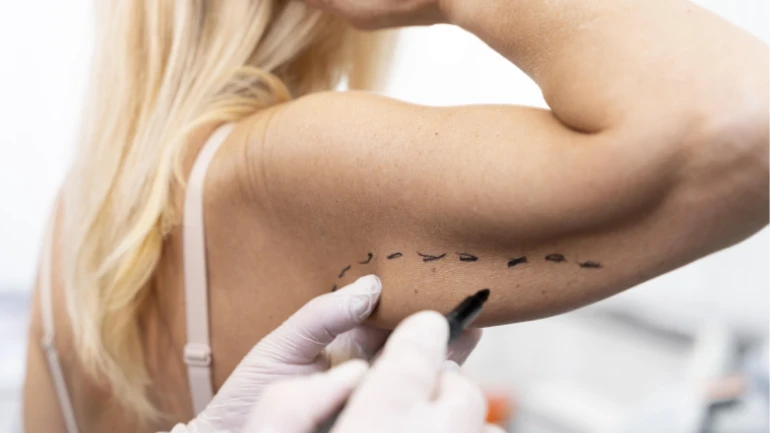
Brachioplasty, commonly known as an arm lift, is a transformative cosmetic procedure designed to reshape and contour the upper arms by removing excess skin and fat. Many individuals choose this surgery after significant weight loss, aging-related skin laxity, or when stubborn sagging skin does not respond to diet and exercise.
While the results of brachioplasty can be highly rewarding, the recovery process plays an equally important role in achieving the desired outcome. Understanding what happens after surgery helps patients prepare both physically and mentally for the healing journey.
Dr. Parag Telang, a renowned plastic and cosmetic surgeon in Mumbai, emphasizes that successful arm lift surgery is not just about the procedure itself, it is also about following the right post-operative care plan. Knowing what to expect during recovery can help patients heal comfortably, reduce complications, and achieve smoother, more aesthetically pleasing results.
What Is Brachioplasty?
Brachioplasty is a surgical procedure that removes excess skin and localized fat deposits from the upper arms. The surgery is commonly performed on individuals who experience:
- Loose, hanging skin on the upper arms
- Excess skin after significant weight loss
- Age-related loss of skin elasticity
- Poor arm contour despite maintaining a healthy lifestyle
During the procedure, excess skin is removed, underlying tissues are tightened, and the arm is reshaped to create a firmer, more toned appearance. Depending on the extent of correction required, liposuction may also be combined with brachioplasty to enhance contouring results.
What Happens Before and
Brachioplasty?
Before surgery, patients undergo a detailed consultation where factors such as skin quality, overall health, medical history, and aesthetic goals are evaluated. Dr. Parag Telang develops a personalized treatment plan and provides detailed instructions regarding medications, smoking cessation, and pre-operative preparations.
Following surgery, the body immediately begins the healing process. Swelling, bruising, and mild discomfort are normal and expected. Compression garments are typically recommended to support healing and minimize swelling. Patients gradually return to their daily activities as recovery progresses, with visible improvements becoming more apparent over the following weeks and months.
What to Expect from the Immediate Post-Surgery Period
The first 24 to 48 hours after brachioplasty are focused on rest and initial healing.
Patients may experience:
- Mild to moderate pain or soreness
- Swelling around the upper arms
- Bruising near incision sites
- Temporary tightness in the arms
- Limited arm mobility
- Mild drainage from surgical dressings
Compression garments are usually worn continuously during this stage. Some patients may also have surgical drains placed temporarily to prevent fluid accumulation. Most discomfort is effectively managed with prescribed medications.
It is important to have someone available to assist with routine activities during the initial recovery period.
Brachioplasty Recovery Timeline: Week by Week
Days 1–7: Early Healing Phase
The first week is often the most challenging part of recovery. Swelling and bruising typically peak during the first few days and gradually begin to subside.
During this period, patients can expect:
- Noticeable swelling and bruising
- Tightness around the surgical area
- Restricted arm movements
- Mild fatigue
- Need for regular dressing changes
Patients are encouraged to take short walks to promote circulation while avoiding strenuous activities. Sleeping with the arms slightly elevated may help reduce swelling.
Weeks 2–3: Gradual Improvement
By the second and third weeks, many patients begin to feel significantly better.
Common developments include:
- Reduced swelling and bruising
- Improved comfort levels
- Better arm mobility
- Removal of sutures if non-dissolvable stitches were used
- Return to light daily activities
Although patients may feel more energetic, heavy lifting and intense physical activities should still be avoided. Compression garments may continue to be recommended depending on individual healing progress.
Weeks 4–6: Return to Routine Activities
At this stage, healing becomes more noticeable, and patients often begin enjoying the visible contouring benefits of the surgery.
Most patients experience:
- Significant reduction in swelling
- Improved arm shape and definition
- Increased range of motion
- Greater comfort during everyday activities
Many individuals can gradually return to work, exercise, and social activities, provided they receive clearance from their surgeon. Scar maturation also begins during this phase.
Months 2–12: Long-Term Healing and Final Results
Brachioplasty results continue to refine over several months.
During this period:
- Residual swelling gradually disappears
- Scars continue to soften and fade
- Skin adapts to its new contour
- Final arm shape becomes more visible
- Sensation changes improve over time
Most patients see their near-final results within three to six months, while scars can continue to mature for up to a year or longer. Consistent scar care and sun protection play a major role in achieving optimal scar appearance.
Quick Recovery Milestones After Brachioplasty
| Recovery Goal | Expected Timeline |
| Return to light daily activities | 1–2 weeks |
| Return to desk work | 1–2 weeks (depending on comfort) |
| Significant reduction in swelling | 4–6 weeks |
| Resume exercise (with surgeon approval) | 4–8 weeks |
| Visible arm contour improvement | 6–8 weeks |
| Near-final results | 3–6 months |
| Scar maturation and fading | 6–12 months or longer |
Essential Care Tips for a Smooth Recovery
Following proper aftercare instructions can significantly improve healing outcomes and patient comfort.
Important recovery tips include:
- Wear compression garments as advised
- Stay hydrated throughout recovery
- Follow all wound-care instructions carefully
- Attend scheduled follow-up appointments
- Avoid smoking and nicotine products
- Maintain a healthy, protein-rich diet
- Get adequate rest and sleep
- Gradually resume activities as recommended
Consistency with these measures can help reduce complications and support faster healing.
What to Do After Brachioplasty?
Follow Your Surgeon's Instructions
Every patient's recovery is unique. Following personalized post-operative instructions is essential for safe healing.
Keep Moving Gently
Short walks help improve blood circulation and reduce the risk of blood clots without putting excessive strain on the body.
Wear Compression Garments
Compression garments help control swelling, support tissues, and improve contour formation during recovery.
Maintain a Healthy Lifestyle
Nutritious meals, proper hydration, and adequate rest contribute significantly to tissue repair and recovery.
What to Avoid After Brachioplasty
Avoid Heavy Lifting
Lifting heavy objects can place stress on healing tissues and increase the risk of complications.
Avoid Intense Exercise Too Soon
High-impact workouts and upper-body exercises should be postponed until your surgeon confirms it is safe.
Avoid Smoking and Alcohol
Smoking can impair blood flow and delay healing, while excessive alcohol consumption may interfere with recovery.
Avoid Excessive Sun Exposure
Direct sun exposure on healing scars can cause darkening and make scars more noticeable.
Surgical Aftercare: Swelling and Bruising
Swelling and bruising are natural responses to surgery and are most noticeable during the first few weeks.
Patients can manage swelling and bruising by:
- Wearing compression garments consistently
- Keeping arms elevated when resting
- Staying hydrated
- Following prescribed medication schedules
- Avoiding strenuous activities
Most bruising fades within two to three weeks, while mild swelling may persist for several months before completely resolving.
Staying on Top of Pain Management and Medication
Discomfort following brachioplasty is generally manageable with prescribed medications.
Patients should:
- Take medications exactly as directed
- Complete any prescribed antibiotic course
- Avoid self-medicating without approval
- Report unusual pain or symptoms promptly
Severe pain is uncommon and should always be evaluated by the surgeon if it occurs.
What to Expect in the Long Run?
Brachioplasty offers long-lasting improvements in arm contour and appearance. Once healing is complete, patients often enjoy:
- More defined upper arms
- Improved clothing fit
- Greater confidence in sleeveless outfits
- Better body proportions
- Enhanced self-esteem
Maintaining a stable weight is important for preserving results over the long term. Significant weight fluctuations may affect the appearance of the arms and overall body contour.
Recovery Red Flags: When to Contact Your Surgeon
| Symptom | Why It Matters |
| Excessive swelling on one side | Could indicate fluid collection or bleeding |
| Persistent fever | May suggest infection |
| Severe pain not relieved by medication | Requires medical evaluation |
| Increasing redness around incisions | Possible infection |
| Unusual discharge or foul smell from wounds | May indicate wound complications |
| Sudden shortness of breath | Medical emergency requiring immediate attention |
Achieve a Smooth Recovery and Lasting Results with Expert Care
Brachioplasty recovery is a gradual process that requires patience, proper aftercare, and realistic expectations. While the first few weeks involve swelling, bruising, and activity restrictions, most patients steadily regain comfort and confidence as healing progresses. Understanding the recovery timeline and following professional guidance can help ensure a safe experience and optimal aesthetic outcome.
Why Choose Dr. Parag Telang for Brachioplasty?
When considering arm lift surgery, choosing an experienced plastic surgeon is one of the most important decisions you can make. Dr. Parag Telang is widely recognized for his expertise in cosmetic and reconstructive plastic surgery, combining advanced surgical techniques with a patient-centric approach.
Patients choose Dr. Telang because of:
- Extensive experience in body contouring procedures
- Personalized treatment plans tailored to individual goals
- Focus on natural-looking, aesthetically balanced results
- Commitment to patient safety and comfort
- Comprehensive pre-operative and post-operative care
- Advanced surgical techniques designed to minimize scarring and optimize outcomes
From your initial consultation to your final follow-up visit, Dr. Parag Telang and his team provide dedicated support at every stage of your transformation journey.
To learn more about brachioplasty or schedule a consultation, book an appointment with Dr. Parag Telang and take the first step toward achieving firmer, more sculpted arms with confidence.