
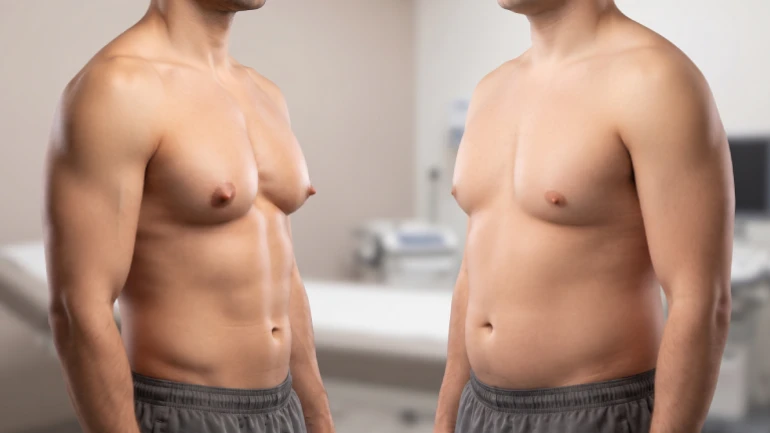
A fuller chest can be a source of discomfort for many men. Some feel conscious wearing fitted T-shirts, avoid swimming or taking their shirts off in public, or spend months working out without seeing the changes they expected. But not all chest enlargement has the same cause. It may be due to excess fat, enlarged breast gland tissue, or a combination of both.
Understanding the difference is important because the treatment depends on what is causing the enlargement. At DesignerBodyz, Dr. Parag Telang, a plastic surgeon in Mumbai, helps patients understand their chest concerns and explore suitable treatment options. For men considering gynecomastia surgery in Mumbai, identifying whether the issue is glandular tissue, chest fat or both is an important first step.
What Is Gynecomastia?
Gynecomastia is the enlargement of breast gland tissue in males. It commonly develops when there is a change in the balance or effects of hormones, particularly testosterone and oestrogen. It can affect one or both sides of the chest and may occur at different stages of life.
Men with gynecomastia may notice puffiness around the nipples, a firm or rubbery area beneath the areola, or tenderness in the chest. The condition is usually benign, but persistent enlargement can affect confidence and comfort.
What Is Chest Fat?
Chest fat, medically known as pseudogynecomastia, occurs when excess fat accumulates in the chest without significant enlargement of the breast gland tissue.
It is often associated with overall body fat, although fat distribution varies from person to person. Men can have chest fat even if they are not significantly overweight.
Unlike glandular tissue, chest fat generally feels soft and spreads more diffusely across the chest. Its appearance may change as overall body weight changes. Regular exercise and gradual weight loss may help reduce chest fat, although it is not possible to target fat loss in the chest alone.
Gynecomastia vs Chest Fat: Key Differences
Although the two conditions can look similar, there are some differences that may help explain what is happening.
| Feature | Gynecomastia | Chest Fat |
| Main Cause | Enlargement of breast gland tissue | Accumulation of excess fat |
| How It Feels | May feel firm or rubbery beneath the nipple | Usually feels soft and spread across the chest |
| Appearance | May create nipple puffiness or a rounded projection around the areola | Often creates broader fullness across the chest |
| Tenderness | The area may be sensitive or tender, particularly when the enlargement is recent | Usually does not cause tenderness unless another issue is present |
| Effect of Weight Loss | Glandular tissue may remain even after weight loss | May reduce with overall body fat loss |
| Possible Treatment | Depends on the cause; persistent cases may be treated surgically | Weight management or, in selected cases, liposuction |
These differences are useful indicators, not a reliable way to diagnose yourself. Some men have both glandular tissue and excess fat, making the distinction less obvious without a clinical examination.
How Can You Tell Which One You May Have?
There are a few signs you can look out for, but they cannot confirm the diagnosis on their own.
1. Notice where the fullness is concentrated. If the area around your nipples appears particularly puffy or projects forward, glandular tissue may be contributing. If the fullness is spread more evenly across the chest, excess fat may be involved.
2. Consider how the tissue feels. Chest fat generally feels soft, while gynecomastia may involve a firmer, rubbery area beneath the nipple. However, the texture can vary and mixed cases are common.
3. Think about changes in your body weight. If your chest becomes smaller as you lose weight, fat may be contributing to the fullness. If the chest remains prominent despite weight loss, glandular tissue could be involved. This is not conclusive, as some fat deposits can be resistant to change.
4. Pay attention to tenderness or recent changes. Sensitivity around the nipple can occur with gynecomastia, particularly when it develops recently. New, rapid or unexplained enlargement should be assessed by a healthcare professional.
Avoid relying entirely on online self-tests. A physical examination by a qualified doctor is the appropriate way to determine the likely cause and whether further tests are needed.
Can Exercise and Weight Loss Fix Both Conditions?
Exercise and weight management can help reduce chest fat, particularly when the enlargement is associated with excess body fat. A balanced diet, regular physical activity and strength training can improve overall body composition and chest definition.
However, exercises such as push-ups, bench presses and chest presses strengthen the muscles beneath the breast tissue. They do not directly remove fat from one specific area, nor do they eliminate enlarged glandular tissue.
If you have true gynecomastia, weight loss may reduce the fat surrounding the gland but leave the glandular enlargement visible. This can be frustrating for men who have worked hard to improve their fitness but still notice puffiness around their nipples.
If your chest remains enlarged despite sustained lifestyle changes, a medical assessment can help determine whether glandular tissue is involved and what options may be appropriate.
How Is Gynecomastia Diagnosed?
A doctor will generally ask about when the enlargement began, whether it has changed over time, any tenderness, your medical history and the medications or supplements you take. A physical examination helps assess the tissue, its distribution and whether there are any unusual features.
Depending on the findings, blood tests or imaging may be recommended to investigate possible hormonal or other medical causes. Not everyone needs every test; the decision depends on the individual assessment.
It is important to seek medical advice if you notice a hard or unusual lump, rapid enlargement, nipple discharge, skin changes or persistent pain. These symptoms do not necessarily indicate a serious condition, but they should not be ignored.
What Are the Treatment Options for Gynecomastia and Chest Fat?
Treatment depends on the type of tissue involved, the underlying cause and how much the condition affects you.
- For chest fat - Gradual weight loss may help if excess body fat is contributing to the fullness. For selected patients who continue to have localised fat deposits, liposuction may be considered after assessment.
- For glandular gynecomastia - If the enlargement persists and causes concern, surgery to remove the excess glandular tissue may be an option. If a medication or medical condition is contributing, addressing that cause may also be necessary.
- For a combination of fat and glandular tissue - Some men may benefit from a surgical approach that combines liposuction with gland removal to improve chest contour.
Gynecomastia Surgery in Mumbai at DesignerBodyz
For men with persistent gynecomastia, surgery may help create a flatter, toner and more proportionate chest. The procedure depends on the amount of glandular tissue, the presence of excess fat and whether there is loose skin.
Dr. Parag Telang at DesignerBodyz assesses these factors before recommending a treatment plan. Depending on the findings, surgery may involve liposuction, removal of glandular tissue or a combination of both. The expected outcome, recovery period, possible scars and limitations should be discussed during the consultation.
Choosing a qualified plastic surgeon in Mumbai is an important part of the process. The goal is to identify the cause of the chest enlargement and select an approach suited to your anatomy, rather than treating every case in the same way.
Conclusion
If your chest remains prominent despite working on your fitness, or if nipple puffiness is affecting your confidence, consider consulting Dr. Parag Telang at DesignerBodyz. As a cosmetic surgeon in Mumbai, he can assess your concerns, explain the available options and help you understand whether gynecomastia surgery in Mumbai may be suitable for you. A consultation is a practical first step towards making an informed decision about your chest shape and treatment goals.
FAQs on Gynecomastia vs Chest Fat
Can gynecomastia affect only one side of the chest?
Yes. Gynecomastia can affect one breast or both and the degree of enlargement may differ between sides. One-sided enlargement should still be assessed, particularly if it is new or changing.
Is gynecomastia dangerous?
Gynecomastia is usually benign and does not automatically indicate a serious health problem. However, a doctor should assess unusual lumps, rapid growth, nipple discharge or skin changes to rule out other causes.
Can medicines or supplements cause gynecomastia?
Yes. Certain prescription medicines, anabolic steroids and some other substances can contribute to breast gland enlargement. Do not stop prescribed medication on your own; discuss possible side effects with your doctor.
Does gynecomastia surgery remove the nipples?
No. The procedure generally aims to reduce excess glandular tissue and, where needed, fat while preserving the nipple and areola. The surgical approach depends on the individual case.
How long does recovery from gynecomastia surgery take?
Recovery varies depending on the procedure and individual healing. Many patients need to take some time off strenuous activity and follow instructions about compression garments, wound care and exercise. Your surgeon will provide guidance based on your treatment.
Can chest workouts alone help get rid of chest fat?
No. Exercises such as push-ups, bench presses and chest presses strengthen the pectoral muscles, but they do not specifically burn fat from the chest. Overall fat loss through balanced nutrition and regular physical activity may help reduce chest fat.
Can a man have chest fat and gynecomastia at the same time?
Yes. Some men have both excess fat and enlarged breast gland tissue. In such cases, reducing body fat may improve the chest's appearance, but glandular tissue may remain.
When should I consider gynecomastia surgery in Mumbai?
If chest enlargement persists, affects your confidence or does not improve as expected with weight management, you may wish to explore surgical options. A consultation with Dr. Parag Telang at DesignerBodyz can help determine whether the enlargement is caused by fat, glandular tissue or both and whether gynecomastia surgery in Mumbai is appropriate for your situation.
About the Author