
 2023-09-11
- |
- By Dr. Parag Telang
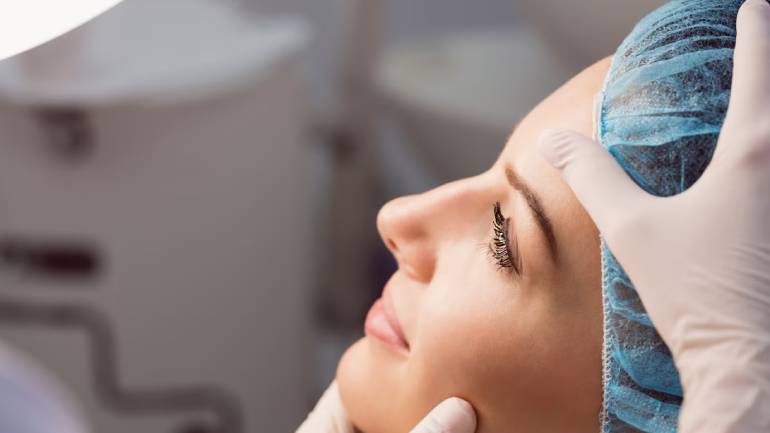
"Rhinoplasty at Designer Bodyz Clinic is a celebrity-certified, award-winning, result-proven procedure that ensures aesthetic & functional change!"
- According to the latest figure from the British Association of Aesthetic Plastic Surgeons (BAAPS), Rhinoplasty/ Nose job is the most performed aesthetic surgery on men in the UK.
- Dr. Parag Telang is a leading expert in delivering rhinoplasty surgeries in Mumbai and UAE, recognized as the most prestigious celebrity cosmetic surgeon.
- Even though various nose job techniques can be performed on both men and women, the distinctive anatomical differences set different goals for both genders.
- Rhinoplasty surgery has a pivotal role in improving self-confidence and overall well-being by addressing facial asymmetry, alleviating breathing defects, and correcting a nose that is off-center or a nose that is too narrow or wide.
Celebrity plastic cosmetic surgeon Dr. Parag Telang, MS, MCh, DNB, FCPS, is a board-certified and the most experienced facial plastic and reconstructive surgeon in Mumbai and UAE.
- He heads Designer Bodyz to consult and operate on patients in Andheri West, Mumbai, and Burjeel Day Surgery Center, Abu Dhabi, UAE.
- Dr. Telang is an active member of the Royal College of Surgeons (MRCS) of the United Kingdom (UK).
- He is a life member of the most prestigious International Society of Aesthetic Plastic Surgery (ISAPS) and the Indian Association of Aesthetic Plastic Surgeons (IAAPS).
Dr. Parag Telang noted that common cosmetic concerns that raise the request for nose job surgery in Mumbai include a drooping nasal tip, dorsal hump, bulbous nose tip, an off-center nose, or a nose that is too narrow or wide. Moreover, rhinoplasty is performed to correct the deviated septum; it is caused by a birth defect when the fetus develops in the womb and is apparent at birth, or a nasal injury is at play.
A deviated septum can cause breathing difficulties by presenting the symptoms of a congested nostril, noisy breathing during sleep, and nosebleeds. Thus, surgical interventions are inevitable to alleviate these issues and help address age-related complications that may worsen a deviated septum over time by altering the nasal structures.
WHAT IS RHINOPLASTY| NOSE JOB?
Rhinoplasty, or nose reshaping or a nose job, is a plastic cosmetic procedure to reshape one’s nose by altering the size, shape, and contour when you are unhappy with your nasal appearance. On the other hand, rhinoplasty is also performed to improve breathing difficulties when someone struggles with deviated septum concerns, either caused by a birth defect or accidental injuries. Nose job surgery changes the nose shape and structure and is performed for cosmetic and medical reasons based on the patient's surgical goals and realistic expectations. In addition, when rhinoplasty is combined with septum surgery, the procedure is called rhino septoplasty. Septorhinoplasty is performed to improve function by correcting breathing issues and helping alleviate the symptoms of sleep apnoea and snoring.
Dr. Parag Telang performs rhinoplasty surgery regularly in his Mumbai and Abu Dhabi-based practice; moreover, Designer Bodyz is a leading name in delivering the best results for rhinoplasty patients.
Rhinoplasty/ Nose job best addresses many aesthetic and functional concerns of the nose and improves underlying structure, including:
- Tip of the nose
- Bulbous Tip
- Boxy Tip
- Droopy Tip
- Dorsal Hump Reduction
- Breathing Difficulties
- Deviated Septum
Thus, rhinoplasty surgery is performed for both cosmetic and medical reasons. Still, whatever the reason or motivation, Dr. Telang's surgical approach is designed to meet the aesthetic goal of a patient based on their realistic expectations, harmonize the face, and give a natural-looking result. However, the procedure requires high precision and surgical fineness, as even a millimeter difference can affect the outcomes. Thus, one should ensure choosing an expert and a board-certified plastic surgeon with ample experience in rhinoplasty surgeries are allowed to perform the task.
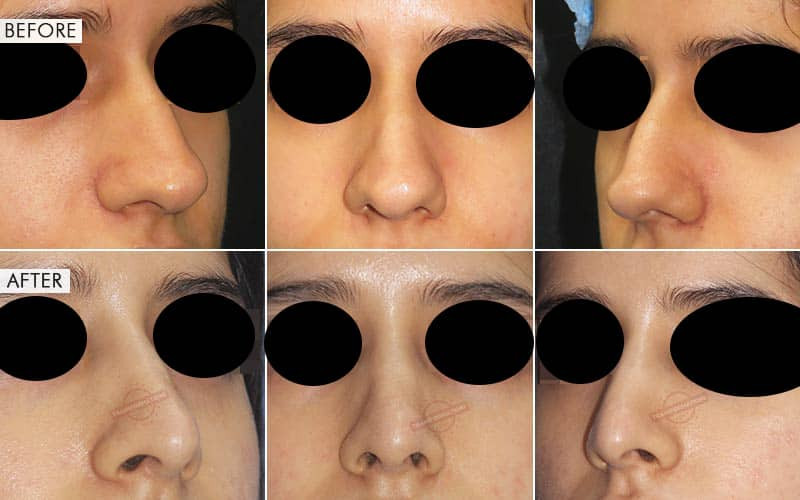
RHINOPLASTY AT A GLANCE
- Procedure time: 1-3 hours
- Hospital stay: Daycare
- Time off work: 2 weeks
- Shower: After 1 day
- Reasonable mobility: After 2 days
- Exercise: After 6 weeks
- Sexual activity: 4 Weeks
- Sleeping on back: 4 Weeks
- Full recovery: 6-8 Weeks
- Driving: 2 Weeks
- Results: Significant improvements are visible Immediately after surgery, and final outcomes may take up to 8-12 months.
TYPES OF RHINOPLASTY DR. PARAG TELANG PERFORMS
1. Revision/ Secondary Rhinoplasty:
Rhinoplasty is one of the five most common cosmetic procedures performed across the globe, and thus, many patients opt for the surgery. A revision rhinoplasty arises when the primary rhinoplasty does not meet the aesthetic goals due to the lack of surgeon's experience and skills. Although many surgeons perform nose jobs in Mumbai, Dubai, and Abu Dhabi, remember that any surgeon can legally attempt to perform a rhinoplasty even if they have little or no training. Thus, you are responsible for choosing surgeons wisely based on their certification, hands-on practices, active membership, and the best number of rhinoplasty results. Make sure your plastic surgeon is board-certified and research them thoroughly.
Interestingly, up to 50 percent of rhinoplasty patients Dr. Parag Telang sees are for revision cases/ secondary nose jobs to correct mistakes and deformities when they mistakenly choose a novice surgeon for their primary rhinoplasty surgery. According to Dr. Parag Telang, since rhinoplasty is a surgery of millimeters that requires great fineness and takes years to master, the best rhinoplasty surgeon has delicate surgical skills and an outstanding sense of aesthetics. Moreover, the best rhinoplasty will not have to be redone.
Key Points for revision rhinoplasty are as follows:
- Revision rhinoplasty is an extensive procedure to fix botched primary rhinoplasty, broken nose, or birth defects.
- Ear cartilage or rib cartilage grafts are used in secondary rhinoplasty.
- The Designer Bodyz team is accustomed to performing secondary nose jobs regularly.
- If you have previously gotten a nose job and are unsatisfied with the results, Dr. Parag Telang and his team help you achieve unmatched results by correcting the botched nose job, resulting in an enhanced nose and improved appearance.
Note: The intricate nature of the structures within the nose makes secondary rhinoplasty an incredibly complex and challenging procedure.
2. Septorhinoplasty/Septum Surgery and Turbinoplasty/ Turbinate Rhinoplasty:
When a rhinoplasty surgery is performed to correct a deviated septum, which is either caused by birth-defects or accidental injuries, it is called septorhinoplasty. The septum is cartilage and bone inside your nose that divides the left and right nostrils/ nasal passages. When the septum is deviated, it can cause obstructive airflow and difficulty breathing, requiring rhinoplasty surgery to strengthen the septum.
Turbinate Rhinoplasty:
When a rhinoplasty surgery is carried out on the turbinates, it is called turbinate rhinoplasty. Turbinate reduction is often conjugated with septoplasty to reduce the size of the turbinates by removing bone or trimming away the tissue surrounding the turbinates.
Turbinate rhinoplasty is also performed to refine turbinates that become swollen due to allergies or other irritants. Turbinoplasty opens the nasal passages and improves airflow.
3. Rhino-tip Surgery/ Projection Adjustment Rhinoplasty:
Rhino-tip surgery alters the nose's shape by modifying the underlying cartilage's structure. The plus of this surgery is that most alterations are done inside the nose to minimize scarring. An expert plastic surgeon creates an aesthetic tip for your nose structure.
Some common cases that fall under rhino-tip surgery are as follows:
- Big tip: When the tip appearance is round, possibly due to thick skin.
- Crooked tip: One nostril may appear more prominent than the other, causing an asymmetrical look.
- Flared nostrils: When the nostrils are more oversized and spread farther apart, creating a flat-nose appearance.
- Hooked tip: When the nose juts out and is overly long and noticeable on the patient's facial appearance.
4. Projection Adjustment Rhinoplasty:
Nose projection is the distance it projects outward from where it connects the upper lip to its tip. Projection adjustment has two cases: when the tip is too protuberant, it can affect your nose profile, and the second one is when the nose is under-projected. The under-projected nose may appear too shallow and excessively small relative to other facial characteristics. Dr. Parag Telang can trim a portion of the cartilage at its tip to reduce the projection of the nose and harmonize the overall facial appearance. On the other hand, the projection is increased by separating or realigning the cartilage to meet the refined position of a nose. If there is not enough cartilage in the tip of the nose, cartilage grafts from the ear or rib can also be used to achieve the nose job goals and desired results.
5. Ethnic Rhinoplasty: The East Asian and African Nose Augmentation:
Ethnic rhinoplasty is a nose job procedure designed for individuals of various ethnicities. A variation in the skin type and thickness, lack of tip support, and lower nasal bridge definition are the aspects that are considered while performing ethnic rhinoplasty surgery. However, it is of utmost importance that performing surgeons have specific knowledge about the unique facial features and aesthetic characteristics of various races and their concerns that raise the request for rhinoplasty surgery. The most common concern for patients of African, Asian, Hispanic, or Middle Eastern descent is a broader nose or a nose that is flatter with wider nostrils. Moreover, some patients may want to reduce or calm their epicanthic folds, but others may prefer to leave them as they are. Moreover, Ethnic rhinoplasty surgery is not about reducing the skeletal support but adding to it. The bridge line can be raised by adding the patient's bone and cartilage from the ear, skull, or rib.
A successful ethnic rhinoplasty helps meet a natural-looking result by changing the shape and contour of your nose, altering its structure and aesthetics, and creating facial harmony while preserving the distinctive characteristic features that complement your face. Sometimes, East Asians may require surgery of the upper eyelid, particularly the inner end, where there is often a web.
6. Alarplasty or Nasal Width Reduction:
Alarplasty or alar base reduction is performed to alter the shape and width of the nostrils. Alarplasty is often chosen by patients of certain ethnicities to reduce the nasal base or nostrils, as the nasal base should not be wider than the distance between the two eyes. Many revision rhinoplasty patients seeking nasal base reduction have one core concern: their nose looks too broad or too wide at the bottom. Alarplasty surgery helps reduce the width of the nasal base as the plastic surgeon adjusts the pyriform aperture, a triangle form that appears due to the nostrils and the tip of the nose, resulting in a steeper triangle at the point where the nostrils meet the face.
7. Osteotomy or repairing Nasal fractures:
A nasal fracture caused by accidental injuries or trauma may lead to breathing difficulties due to a crooked or misshapen nose requiring nose job surgery. Osteotomy means cutting bones, sometimes adding bone tissue to address injury defects or deformities, and straightening the nasal pyramid by reshaping and realigning your nasal bone. Thus, it has both aesthetic and functional benefits. On the one hand, it improves nasal appearance, and on the other, it aids in better breathing. In addition, when your nose is too broad, osteotomy is recommended to reduce your nasal bridge.
WHAT TO EXPECT?
A. The Consultation:
The one-on-one consultation is inevitable to know the status of your concern and the realistic goals that can be achieved. The introductory consultation with your plastic surgeon helps you plan the procedure and know what should be followed before and after surgery.
Are you the right fit for the procedure: Candidacy
The following are the parameters that a prospective rhinoplasty patient should meet to undergo surgery:
- You should be above 18 years if you are a boy, whereas a girl can be eligible at 16 years, but the nose should be fully developed.
- You should be physically fit.
- If you are unhappy with the size and shape of your nose and require aesthetic or functional corrections
- If you have a birth defect or deviated septum that can obstruct airflow, it results in breathing issues.
Some questions you may ask your consultant include:
- Is a surgical nose job right for me?
- Which surgical approach or type of rhinoplasty would be the best option in my case?
- Should I opt for a non-surgical alternative or liquid rhinoplasty?
- What kind of risks or discomforts are associated with the procedure?
- Will there be any pain and scarring after surgery?
- How long will it take for me to recover from my rhinoplasty?
- How many procedures of this type have you done before?
- Could you provide me with a few 'after and before' photographs of your past patients?
B. Leading up to the Procedure:
If you choose to proceed with surgery, the following are the pre-procedure guidelines that you need to follow:
- You are advised to stop smoking at least six weeks before surgery, as smoking cigarettes can cause a higher risk of healing hindrance, resulting in compromised outcomes.
- Please do not take aspirin or any medications that contain aspirin in the week before your procedure.
- In the 6 hours before your surgery, you must not consume food or any drink other than small sips of clear fluid (e.g., still water, black coffee, black tea), which are allowed up to 2 hours before admission.
C. On the day of surgery:
- On the day of the surgery, you should arrive at the clinic an hour before.
- Your pre-procedure tests, such as blood pressure, blood sugar, and other relevant vitals, will be recorded.
- An in-person meeting with your anesthetist will also take place at this point.
- Now, your plastic surgeon will mark the final mark-ups.
- Rhinoplasty surgery is usually performed under general anesthesia, which may last 1-3 hours.
- A rhinoplasty can be open or closed depending on where the incision is placed. An expert nose job surgeon chooses an incision site that minimizes the visibility of this site.
- After the procedure, you will recover in our ambulatory recovery rooms for two to three hours.
- Once your initial recovery timeline is completed and you get cleared by our plastic surgeon and specialist nursing staff, you can safely return home.
D. Some noteworthy points of Rhinoplasty recovery are briefly discussed below:
- It is normal to experience some discomfort, such as swelling, pain, bruising, and puffiness in your facial area, as it is a part of healing development.
- Sleeping in a propped-up position, using an ice pack, and using pain medication help you recover smoothly.
- You are advised to attend all the follow-up sessions as instructed by our plastic surgeon.
- The external splint will stay for one week.
- The internal splints will remain between 1-2 weeks.
- You must take work off for at least a week or up to 10 days to recover hassle-free.
- You can resume work in about one week and return to normal several weeks post-op.
Note: Dr. Parag Telang will communicate further details on post-op care and instructions, including sun exposure, strenuous activities, and what to avoid during the healing period to recover faster. So, attending all the follow-up sessions is necessary after rhinoplasty surgery.
WHAT ARE THE BENEFITS OF RHINOPLASTY SURGERY?
- Improve the nose profile by aesthetically changing the shape, size, and contour according to your facial features and harmonizing the overall appearance.
- Sharpen the bulbous, boxy tip and shorten or lengthen your nose according to your facial features.
- Correct the broad and droopy tip and change the tip projection and an aesthetic tip is created for your nose structure.
- Addresses the deformities caused by birth defects (deviated septum), accidental injuries, and trauma, improving breathing difficulty.
- Remove the hump on the dorsum.
- Elevate the flat or saddle nose deformity.
- Address a protruding or retracted columella.
HOW MUCH DOES A RHINOPLASTY COST IN MUMBAI & UAE?
Every plastic or cosmetic surgery is a highly individualized procedure. It requires custom-tailor surgery for every patient, as every patient is unique concerning their anatomical and physiological profile, surgical goals, and realistic expectations. However, one-on-one consultation is inevitable to know the right cost of rhinoplasty depending on your problem status and desired goal. Usually, the rhinoplasty cost in Mumbai is between 80,000 to 2 lakhs INR. And on the other hand, the price of rhinoplasty in Abu Dhabi and Dubai goes from AED 20,000 to AED 35,000. However, this figure would differ for every patient, as several factors influence the cost, and intrinsic and extrinsic factors are at play.
One must note that cost can vary depending on the detail and complexities of the surgery.
Even though several aspects need to be considered, a few direct factors that influence the cost are as follows:
- Surgeon's fee: An expert, board-certified, and skilled plastic surgeon who has active membership in the recognized plastic surgery societies, i.e., ISAPS, IAAPS, and MRCS, and has in-depth knowledge and specialization in facial aesthetics surgery weighs much cost compared to other plastic surgeons.
- Clinic fee: Supports the hospital's operation, operating room, staffing, and related items.
- Anesthesia charge: An anaesthesiologist who is specialized and credited with safely performing several sedation jobs may charge you high, as his expertise is crucial for the safety of the surgery.
- Medications & consumables: Medicines, disposables, and consumables you may need to take as part of your recovery process are counted for rhinoplasty cost overall.
In Dr. Parag Telang's office in Andheri West, Mumbai, and Abu Dhabi, UAE, quotes are usually based on the abovementioned factors. The best thing to do is attend the introductory consultation with Dr. Parag so he can carefully analyze the nose and determine what changes will be needed and how much it will cost.
FREQUENTLY ASKED QUESTIONS
Q. Is nose surgery painful?
Rhinoplasty surgery involves virtually no pain following surgery but some discomfort with little pain you may feel during the initial days of recovery. Pain medications can effectively address mild to moderate pain following the procedure.
Q. When can I blow my nose after a rhinoplasty?
It is instructed to avoid blowing the nose for the first five weeks to support a safe and hassle-free healing process. Since blowing can cause undue strain on your surgical site, it may result in bleeding and compromised healing. Your surgeon will give you specific recommendations based on the technique used to perform rhinoplasty and healing response.
Q. Are rhinoplasty stitches dissolvable?
The type of rhinoplasty procedure and your surgeon's preference decide whether the sutures or stitches used during the procedure will be dissolvable or require manual removal. The body absorbs dissolvable sutures over time, whereas surgeons may need to remove other stitches after a particular time.
Q. Is the result long-lasting?
Of course, rhinoplasty surgery results are permanent and offer a natural-looking effect if the procedure is performed by an expert facial plastic surgeon with ample experience in nose jobs and other facial aesthetics surgeries.
Q. What are the potential side effects of a rhinoplasty?
Every surgical procedure carries some degree of discomfort or side effects, and rhinoplasty is also not untouched. You may experience mild to moderate pain, swelling, numbness, bruising, bleeding, or infection, and these side effects can be effectively managed by the right post-op care and medications as instructed by your plastic surgeon. You may also experience obstruction in nasal passages, but it is rare and can be effectively managed.
Q. Does rhinoplasty cause black eyes?
Following your rhinoplasty surgery, black eyes may develop as a side effect, but that is normal. It will subside in a week or two after the surgery. Although everyone heals differently, not every patient needs to develop black eyes post-op.